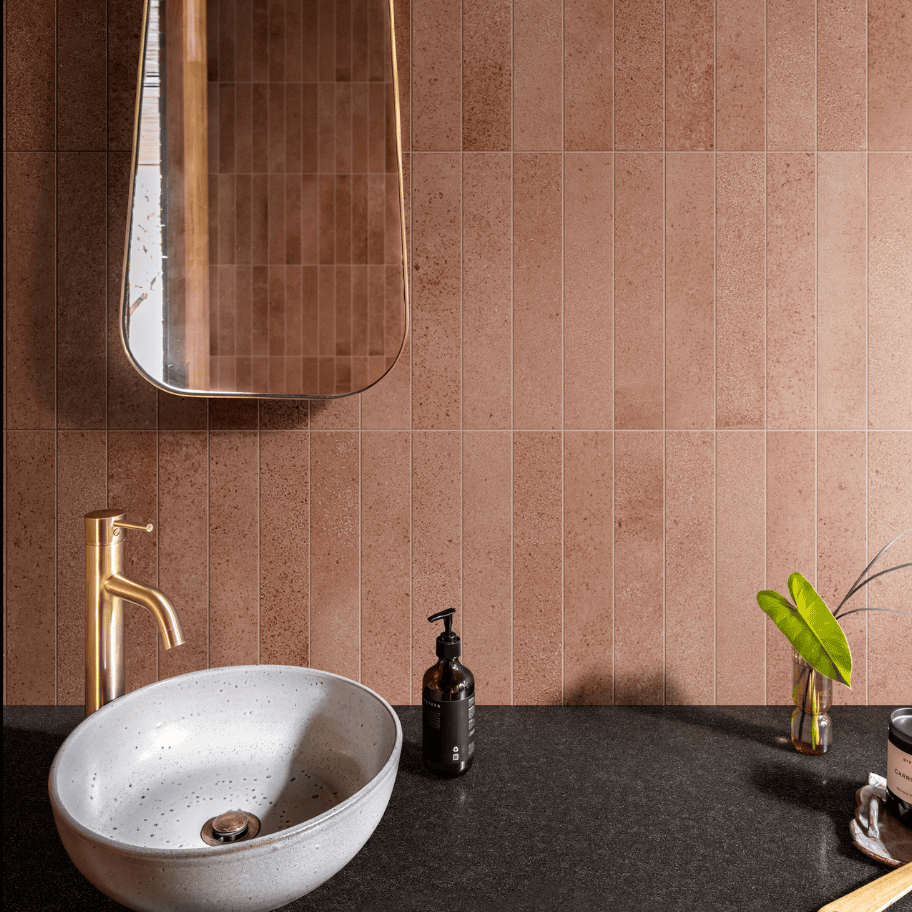
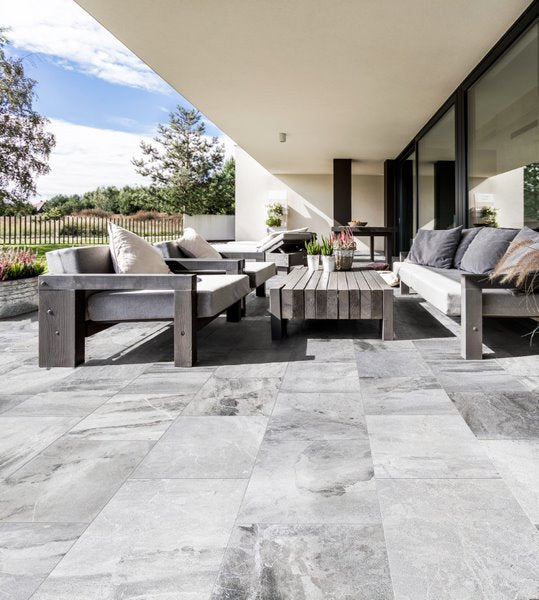
Natural stone cladding is a finished surface element that has been used as an alternative to solid stone product. It refers to the application of a layer of natural or artificial stone to an exterior and interior wall to emulate the look of a solid stone wall. The cladding results in a timeless, striking surface that can be used as a façade element, internal finish or as a landscaping feature. Whether you're updating a feature wall or designing a fireplace natural stone cladding offers a rustic appearance that can add character and warmth to any project.
In this comprehensive guide, we'll explore everything you need to know about stone cladding, from its origins and popularity, to the different stone types, cutting styles, installation requirements, design ideas and quick maintenance tips. Let's dive in!
What Exactly is Stone Cladding?
At its heart, stone cladding is a thin layer of natural stone applied to a structural substrate, such as concrete, brick timber or steel framing to give the appearance of a full stone wall without the cost, weight and labour of traditional masonry. This is advantageous for builders and contractors as its lighter weight results in a reduced structural support requirements, while allowing fast and cost-effective installation.
Although the term refers to a range of products and techniques, all stone cladding does the same thing: it gives your surface the authentic look and feel of solid stone using thinner, lighter pieces that are easier and faster to install. This makes stone cladding extremely versatile for interior and exterior applications, including feature walls, façade, fireplaces, landscaping walls, around pool areas and even architectural accents in commercial buildings.
Why Choose Stone Cladding? Key Benefits
Stunning Visual Appeal
One of the primary reasons designers and homeowners choose stone cladding is its natural beauty and visual texture. Stone introduces depth and richness that flat finishes cannot replicate, from elegant limestone and warm sandstone to dramatic slate and granite look.
Exceptional Durability & Weather Resistance
Stone is one of the most resilient building materials, when properly installed, they can withstand most weather elements, especially Australia's harsh climate and is inherently fire resistant. These qualities ensure that stone cladding will look and perform exceptionally without constant maintenance.
Low Maintenance
Unlike timber, paint or cement renders that require frequent upkeep, stone cladding need very little maintenance. Regular cleaning with water or gentle wash is usually all is needed to maintain its appearance. Some natural stones can be sealed for added protection, though many perform perfectly well with routine care alone.
Versatility & Design Flexibility
Stone cladding works with almost any style in Australian homes:
- Rustic and Traditional Homes: Use rougher splits and earthy colours like sandstone and limestone for warmth.
- Contemporary Homes: Choose ledge stones or polished finishes for a clean modern lines along the columns
- Commercial Facades: Durable stone types like granite or quartzite provide a dramatic and long-lasting finish.
Improves Property Value & Curb Appeal
Stone cladding is often recognized as a premium finish. Its unique aesthetic and durable performance often translate into higher property values and stronger resale appeal, making it a timeless investment.
Natural Insulation & Sustainability
Because stone has a high thermal mass, it can help moderate indoor temperatures by absorbing heat during the day and releasing it at night. This natural regulation can contribute to greater energy efficiency. Plus, when responsibly sourced, natural stone is an environmentally friendly choice compared to synthetic materials containing silica.
Popular Stone Types for Cladding
There are many stone materials used for cladding - each with its own look, texture, and performance characteristics. The colours of natural stone can vary greatly, for example, limestone is available in pure whites, beiges and subtle browns. Granite is commonly grey and black. The patterns can vary widely, from light and subtle patterns to harsh and dramatic veining.
Some of the most common stone types include:
Limestone
Limestone offers soft, neutral tones and a classic aesthetic that complements both modern and traditional architecture. It’s commonly used for feature walls, façades and interior stone walls.
Sandstone
Known for its warm earthy colours - from honey beiges to deep browns - sandstone is ideal in landscapes, patios, exterior walls and pool surrounds.
Granite & Quartzite
These stones are among the most durable options, offering excellent resistance to wear and weather - perfect for commercial façades or high-traffic zones.
Slate
Slate cladding features natural layering and rich darker hues that suit contemporary and minimalist designs.
Stone Cladding Styles & Formats
Natural stone cladding can be supplied and laid in a variety of styles, all of which impact the look and feel of your wall.
Random Cut
Pieces of varying shapes and sizes are laid without a repeating pattern, offering an organic, natural aesthetic. This cut can be laid using a mortar joint or tight laid.
Random Ashlar
Stone pieces are partially dressed with straight tops and bottoms, but random sides. This gives a slightly more organised look than random cut while retaining texture.
Ashlar
Fully dressed stones cut into rectangles or squares and typically laid tight (with minimal visible joints), producing a refined linear finish.
Ledge Cut
Elongated rectangular stones create strong horizontal lines and layered texture. Often used in contemporary stone designs. This style has a split facade and is usually tight laid to give the appearance of dry stacked stone without visible joints.
Traditional Format
These stones are dressed on all four sides with random lengths but consistent heights, similar to a classic brick format and usually laid with a tight finish.
Panelised/Interlocking (‘Z Panel’)
Pre-assembled stone panels that interlock for faster installation and consistent alignment.
Installation - What You Should Know
While stone cladding is lighter than full stone blocks, installation still requires thoughtful preparation. The substrate must be clean, stable and capable of supporting the finish. Professional installers use specialized stone adhesive or mechanical fixings depending on substrate and weight.
Mortar joint width and finish (grout, raked, flushed or tight lay) also influences the final aesthetic so these decisions should be taken into factor before installation. Grout is the substance used to fill the joints between individual stone pieces. Grout lines can be anywhere between 5 and 15mm wide. Tight laying entails laying the stone tightly so that there is no visible grout line, giving the appearance of stacked stone.
Due to stone's porous nature, we recommend sealing the stone post-installation to reduce any discolouration on the surface of the stone. When sealed, natural stone becomes resistant to stains and microbial development, ensuring its high-quality appearance for much longer. The type of sealant used will depend on the type of stone and level of exposure to moisture.
Natural Stone Cladding
Stone cladding continues to be a top choice for architects, designers and homeowners because it combines timeless beauty, unparalleled durability and design versatility. From contemporary feature walls to rugged, natural facades, FINN can assist you in making informed product selection when it comes to stone cladding.