Tile design continues to evolve as homeowners and designers seek materials that combine style, durability, and practicality. In Australia, the latest tile trends reflect a move toward warmer tones, larger formats, natural textures, and more expressive design choices. Whether you're renovating a bathroom, designing a kitchen, or planning an outdoor space, these tile trends are shaping Australian homes in 2026.
Below are the key tile trends dominating Australian interiors this year.
Large Format Tiles Continue to Dominate
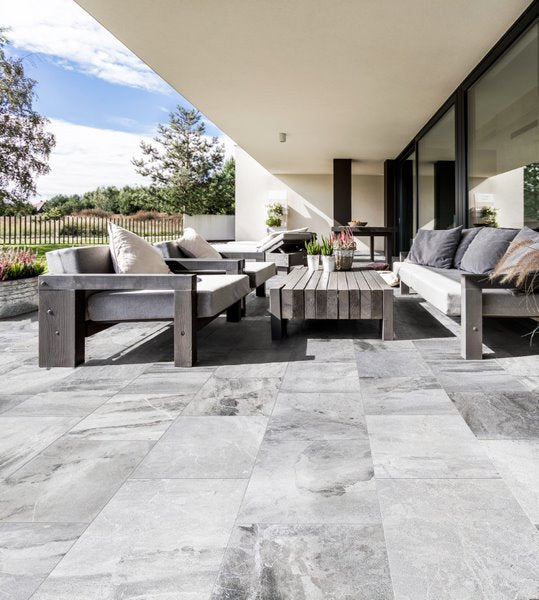
Large format tiles remain one of the most popular choices in Australian homes. Sizes such as 600x600, 600x1200, and even 750x1500 are becoming standard in new builds and modern renovations.
One of the main reasons for their popularity is their clean and seamless look that they can create. Larger tiles reduce grout lines, which makes the spaces feel more open and visually expansive. They are also easier to maintain, as fewer grout lines mean less cleaning and is easy to maintain.
Large format tiles are commonly used in:
- Open plan living areas
- Bathroom walls and floors
- Kitchen floors
- Entrance hallways
This format works particularly well in contemporary Australian homes where open spaces and minimal design are preferred.
Warm Neutral Colours Replace Cool Greys
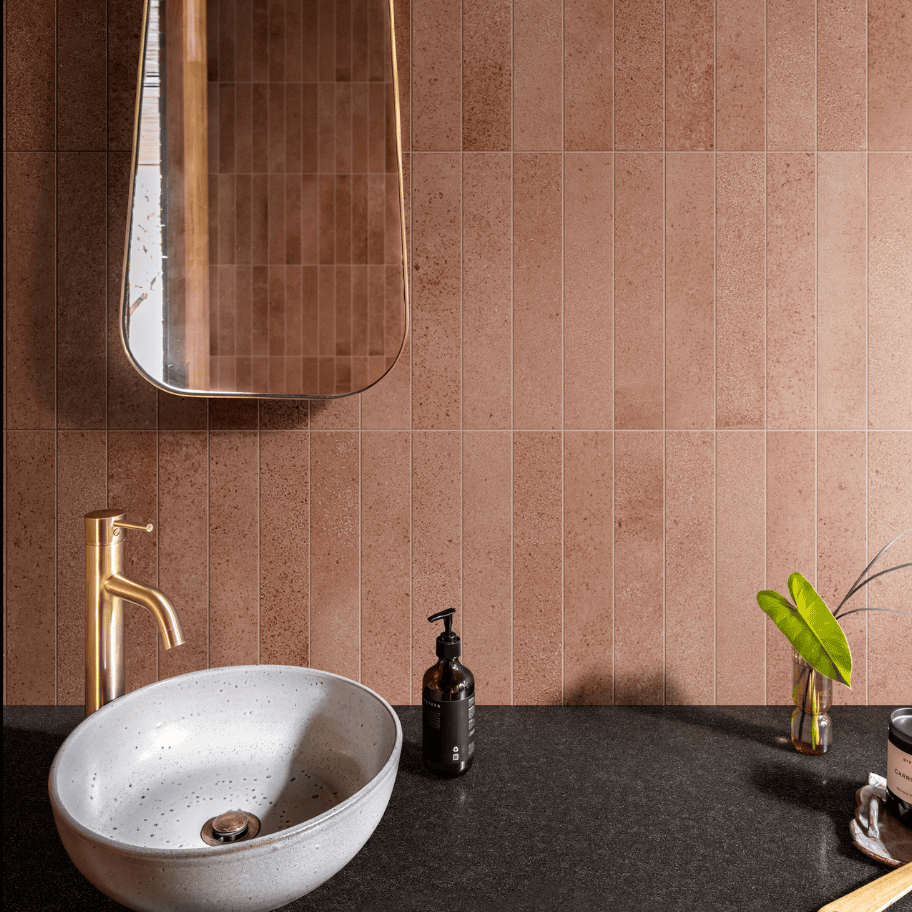
For many years, cool grey tones dominated Australian interiors. In 2026, the colour palette is shifting toward warmer, more natural tones.
Popular colours now include:
- Sand and beige
- Clay and terracotta
- Soft limestone tones
- Warm greige
- Earthy neutrals
These colours create a warmer and more inviting environment while pairing beautifully with timber cabinetry, natural stone, and brushed brass fixtures. This trend reflects a broader move toward interiors that feel calm, grounded, and connected to nature.
Natural Stone and Stone-Look Tiles
Natural stone continues to be a strong influence in tile design. Materials such as travertine, marble, and limestone are widely used in both indoor and outdoor spaces.
However, porcelain tiles that replicate natural stone are also gaining popularity. These tiles offer the beauty of natural materials while providing greater durability and easier maintenance. They bring a sense of timeless luxury while remaining practical for everyday living.
Stone-inspired tiles are often used in:
- Bathrooms
- Feature walls
- Fireplace surrounds
- Outdoor paving areas
Texture and Tactile Surfaces
Flat, uniform surfaces are giving way to more textured and tactile tiles.
Designers are increasingly incorporating tiles with:
- Fluted surfaces
- 3D patterns
- Handmade or artisanal finishes
- Ribbed or finger mosaics
These textures add visual interest and depth, particularly in neutral interiors where texture becomes a key design feature. Textured tiles are often used on splash backs, feature walls, shower niches and bathroom vanities.
Mediterranean and Natural Influences
Mediterranean-inspired design continues to influence Australian interiors, particularly in coastal homes. This style often features:
- Travertine-look tiles
- Terracotta tones
- Natural stone finishes
- Soft organic textures
These materials create relaxed, resort-style spaces that suit Australia's climate and lifestyle. Travertine-look porcelain tiles are particularly popular as they offer the Mediterranean aesthetic with greater durability.
Feature Mosaics and Statement Tiles
While large format tiles continue to dominate as part of flooring trend in Australia, mosaics and decorative tiles are widely used for feature areas.
Popular options include:
- Kit Kat mosaics
- Finger mosaics
- Chevron marble mosaics
- Glass pool mosaics
These tiles add detail and character in areas such as splash backs, shower niches and swimming pools. Instead of covering entire surfaces, designers now use mosaics to strategically create focal points within a space.
Curves and Organic Shapes
Another trend that we're also seeing is the return of curves and softer shapes. Arched tiles, curved layouts and organic patterns are becoming mainstream in interior spaces. This design approach helps soften the rigid lines often found in kitchens and bathrooms.
Curved tile shapes are popular in:
- Bathroom feature walls
- Shower niches
- Kitchen splash backs
Matt and Honed Finishes
Glossy finishes are slowly being replaced by matt and honed tiles, especially for floors and walls for the ease of maintenance. For bathrooms, outdoors and kitchen areas, matt finishes are often preferred for safety and practicality.
Matt Surfaces offer several benefits
- Better slip resistance
- Softer, more natural appearance (not reflective)
- Less visible water marks and smudges
Tile trends in Australia for 2026 highlight a shift toward natural materials, warm tones and larger formats. Rather than purely decorative surfaces, tiles are chosen for their ability to create calm, functional and timeless interiors.
From large format porcelain tiles and stone-inspired surfaces to textured feature wall tiles, with Mediterranean influences - today's designs focus on combining beauty with durability.
When selecting tiles for your home, it's always important to balance current trends with long-term practicality. Choosing high-quality tiles that suit your lifestyle will ensure your space remains stylish for many years to come.